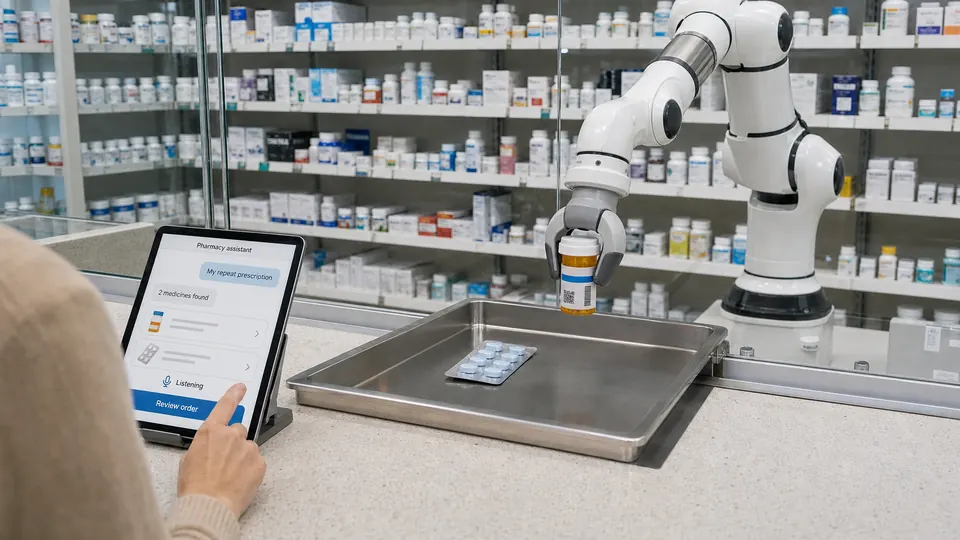
Pharmacy handoff simulation
An internal concept for how a physical workflow could be instrumented, supervised, and improved.
Product engineering for websites, apps, and platforms. Automation systems for integrations, internal tools, and operational control.
Product work creates the experience people see. Automation work removes the operational drag behind it. You can start with one or combine both under the same scope.
Four product service areas. Four automation service areas.
Product
Brand sites, portals, dashboards, and customer-facing products.
Product
Interaction design, accessible components, and production design systems.
Product
APIs, data models, authentication, payments, and cloud delivery.
Product
Internal products, mobile experiences, migrations, and modernisation.
Automation
Repeated work, handoffs, exceptions, ownership, and decision points.
Automation
Existing tools connected through APIs, events, webhooks, and sync.
Automation
Focused internal interfaces for approvals, exceptions, and live status.
Automation
Alerts, audit trails, management views, and operational reporting.
The process is short on ceremony and long on evidence. Each stage ends in something you can inspect, test, or use.
A scoped brief with success metric: product goal, current systems, workflow, constraints, and the first release path.
Turn the target workflow into interface structure, data contracts, and a build sequence.
Ship in visible increments. Test the frontend, backend, integrations, and failure paths.
A deployed system with monitoring, documentation, access controls, and a support route.
Use production data to tune the experience, remove manual work, and extend what performs.
Krafters Robotics is developing supervised robotic-arm systems. Krafters Studio delivers digital products and operational automation.
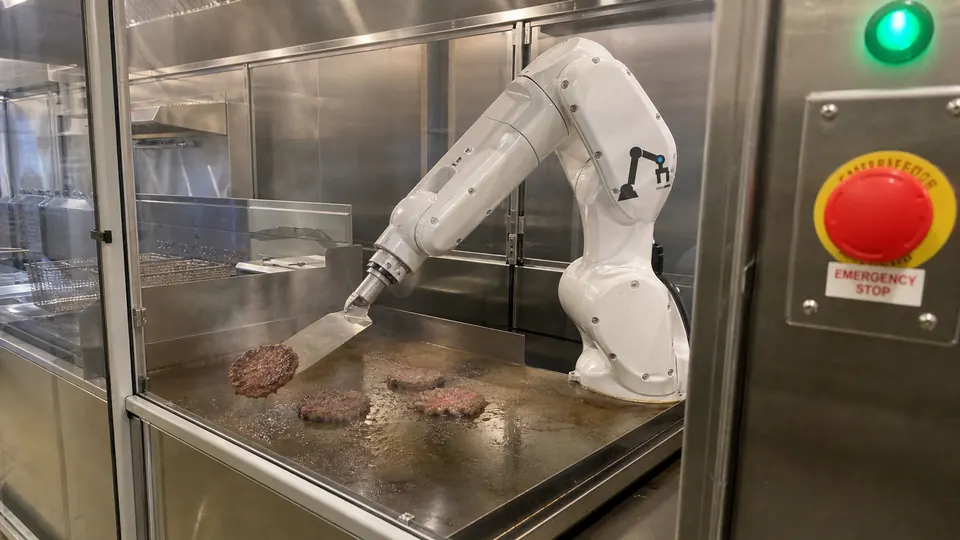
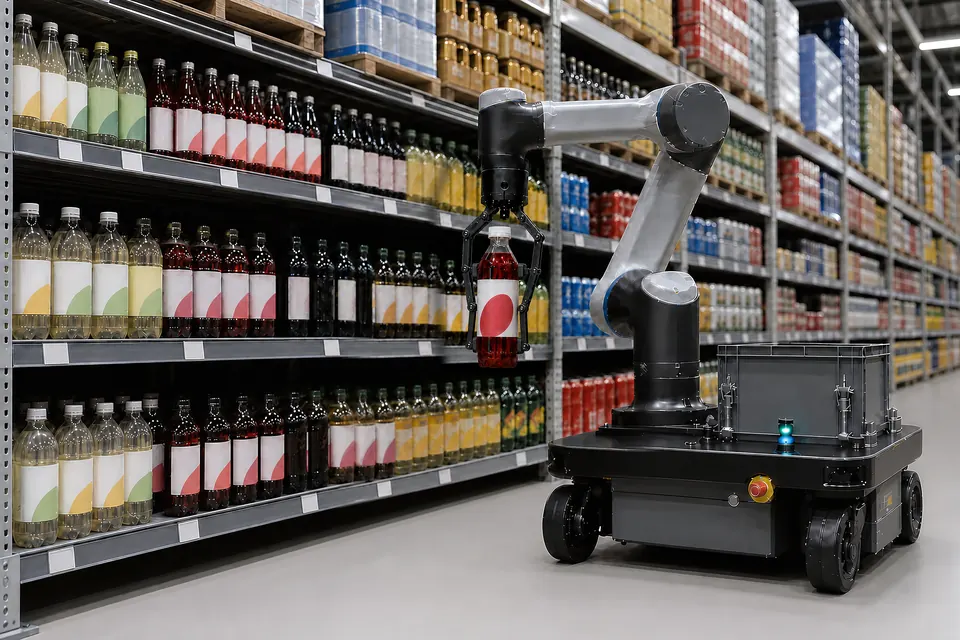
Robotics images are internal R&D concepts and simulations, not customer deployments.
An internal concept for how a physical workflow could be instrumented, supervised, and improved.
An internal prototype direction for repetitive service work where consistency matters.
A future-workflow concept that informs our software, controls, and reporting designs.
Krafters Robotics is developing supervised robotic systems. Studio applies the same engineering discipline to digital products and operational automation.
Tell us what is stuck, which systems are already in place, and whether the first release belongs to product, automation, or both.